An excellent yard does not need a deluxe spending plan. It requires a clear concept, a little bit of persistence, and clever decision production. I have walked sufficient domestic landscaping projects where the plants set you back less than a solitary designer chair inside the house, yet the garden swiped the program. The technique is not secret understanding. It has to do with understanding where money really matters and where it does not.
Whether you are brightening a small front lawn or attempting to restore an exhausted business landscape design strip before a store, the very same principles use. Spend on structure, reduce design. Usage time and sweat in place of money. And style for what the garden will look like in three to 5 years, not just what it appears like the day you grow it.
Let us break down exactly how to construct or rejuvenate yard landscape design that looks purposefully created, feels generous, and stays within a reasonable budget.
Start with an easy, truthful assessment
The the very least glamorous component of landscape style is one of the most crucial. Before picking plants or acquiring pavers, you require to recognize the site and your own limitations. I constantly ask customers three things at the beginning: what do you truly utilize your backyard for, what are you willing to maintain, and what does the site normally want to do.
Walk your room with a note pad. Notice where you naturally stand, rest, or walk. Where does water accumulate after rain. Which edge gets baked by afternoon sunlight. Which area remains moist under a tree. These monitorings direct every budget plan decision that complies with. If you plant a thirsty yard in a completely dry, sunny place with no watering, your spending plan will certainly leak away with your water bill.
For a really limited spending plan, deal with every square meter as a cost center. Bare soil will ultimately require weeding time. Grass will require cutting and water. Hardscape like patio areas and paths will demand products and building and construction. Planting beds will demand compost and plants. The goal is not to prevent these, however to designate each area the right task so you do not overbuild.
Decide what should be terrific and what can be "sufficient"
The fastest means to spend beyond your means is to spray money uniformly throughout the entire backyard. Solid landscape building and construction concentrates spending plan on key areas and lets the rest discolor right into the background.
Usually, 1 or 2 elements deserve one of the most investment:
- A major social location, such as an outdoor patio, deck, or courtyard where you in fact spend time The first sight from the street or front door, where curb appeal sits
Everything else can be simpler and less costly. Utility spaces alongside your home, back corners utilized mostly for storage, or narrow strips by a fencing do not require costly surface areas or plant collections. Gravel paths, compost, and a few hard shrubs can lug those zones.
Think of a small commercial landscape design project. The store access, signs, and consumer walkway should look sharp and well kept, due to the fact that they connect the brand. The side filling zone can be simple concrete, clipped bushes, and functional illumination. The same thinking works completely at home.
Once you recognize your "hero" areas, you can make regimented choices. Splurge on better pavers just for the primary patio, and use compressed crushed rock somewhere else. Purchase a couple of bigger trees where they make color over seating, and choose smaller sized, more youthful plants for background beds.
Use design, not cash, to create impact
People typically presume that costly products instantly produce a high-- end yard. That is hardly ever true. Thoughtful landscape style matters much more than the price tag per square foot.
A few layout behaviors function especially well on a spending plan:
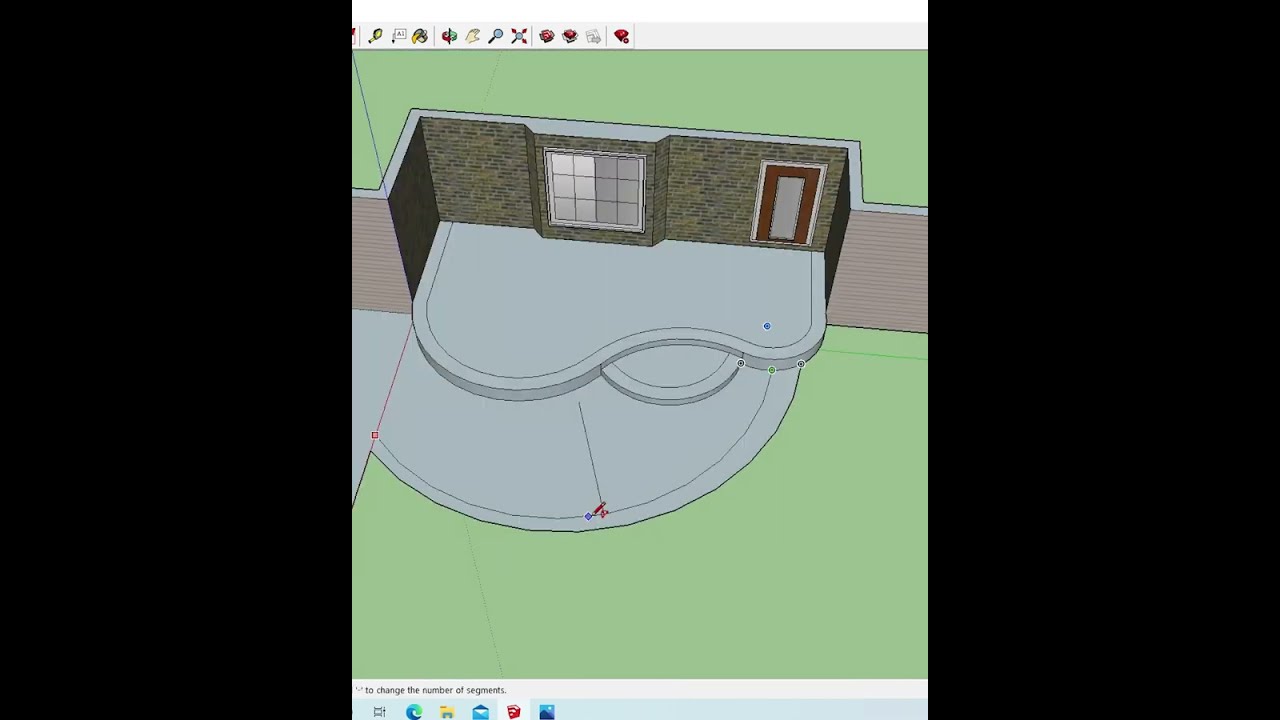
First, streamline shapes. Curved beds and zigzag paths are harder to develop and keep. Straight runs or single wide contours make use of fewer cut items, less edging, and look cleaner. I have rebuilt several unpleasant, wavy growing beds right into simple rectangles, then loaded them with inexpensive plants. The outcome looked modern and cost less.
Second, repeat plants. Getting among everything develops a disorderly, "plant collection" feeling. Rather, choose a small scheme and make use of each plant in groups of 3, 5, or much more. Nurseries typically discount flats or multiple units of the very same plant, and massing them has more visual power than spreading singles.
Third, usage contrast without fancy products. Dark compost against light paving, fine-textured grasses beside vibrant, broad-leaf landscaping pasadena bushes, vertical elements near ground-- hugging plants. These contrasts make even raw materials look intentional.
Fourth, style for the view from inside. You invest even more time considering your yard from home windows than standing in it. Structure a minimum of one strong feature in each main sight. It can be as simple as a planted pot, a tiny tree, or a gravel yard with a bench. When indoor sights look taken into consideration, the whole project really feels richer.
Prioritize bones: framework before decoration
Professional landscapers discuss the "bones" of a yard. These are the elements that give shape and permanence, like trees, hedges, main courses, and preserving wall surfaces. On a restricted spending plan, this is where you intend any kind of serious spending.
I urge home owners to illustration their yard in layers. Initial layer: circulation. Where do you walk, roll a trash bin, or push a mower. Second layer: framework. Where are the major vertical components such as trees, fencings, or displays. 3rd layer: soft planting that loads the gaps.
If your budget plan is limited, get the initial and 2nd layers best and accept that the 3rd layer will certainly fill in slowly. It is far better to have an easy, strong course system and three well placed trees than a lawn loaded with little plants with no clear layout.
When preparation structure on a spending plan, assume long-term. Opt for young trees in 5 or 10 gallon containers rather than fully grown specimens. A 10 gallon tree might cost one-- third as much as a 24 inch box, and in 5 years the size difference typically discolors. The same puts on bushes. Buy smaller plants, plant them closer, and give them time.
Smart plant choices that save money twice
Plants impact your spending plan two times: what you pay to install them and what you invest to maintain them active and presentable. Economical plants that die or demand constant treatment are more costly in the long run than a little pricier, tougher species.
For garden landscaping on a budget plan, search for plants that:
Grow well in your climate without heavy indulging. This may seem noticeable, yet numerous yards battle since somebody got based upon a shiny picture instead of local conditions. Use your regional extension service suggestions, or stroll older communities and notification which bushes and trees look healthy and balanced without obvious irrigation.
Provide a lengthy period of interest. For example, a bush with blossoms in springtime, glossy foliage in summer, and great loss shade offers worth across months. Decorative lawns that look good from summer with wintertime illuminate a yard at low cost.
Spread or self-- seed reasonably. Some of my favorite budget plan plants are those I can divide every two or 3 years to make even more plants absolutely free. Daylilies, several decorative grasses, particular salvias, hostas, and sedums all react well to department. Simply avoid hostile spreaders that come to be invasive.
Hold their shape without continuous pruning. Clipped rounds and tight hedges look good, however they require time or money for trimming. Naturalistic types like water fountain yards, freely mounding bushes, or groundcovers reduce that maintenance.
For warm, dry regions, dry spell-- forgiving planting is particularly useful. A low tide residential landscaping scheme that utilizes indigenous hedges, succulents, and Mediterranean species will certainly often cut your water expense substantially, especially if you are replacing lawn.
Soil, compost, and the quiet power of preparation
I often tell clients that investing 10 to 20 percent of the planting spending plan on dirt renovation and compost is non-- negotiable. It really feels much less exciting than purchasing flowers, yet it pays off in survival prices and development. Poor soil indicates a lot more fertilizer, even more water, and much more plant replacements.
If you can do just 3 primary jobs, concentrate on this brief sequence:
Remove deep weeds and origins extensively in any kind of new bed. Cutting corners here suggests years of combating them later. Loosen compacted soil at least one spade depth, and mix in organic matter like compost if your indigenous dirt is poor. After growing, add a 5 to 7 cm layer of mulch, maintaining it slightly away from stems and trunks.Mulch is among the most affordable, hardest-- working tools for budget plan garden landscape design. It lowers weeds, retains dampness, moderates dirt temperature level, and visually unifies beds. Dark shredded bark, wood chips, or even gravel in the right context can make young, spaced-- out plants look willful as opposed to sparse.
If your spending plan is extremely tight, look for community mulch programs that offer free or affordable arborist chips. They might not be as consistent as bagged items, but also for back beds and trees they work extremely well.
Hardscape: where to conserve and where to resist shortcuts
Hardscape generally consumes the greatest share of a landscape construction budget. Paving, decks, wall surfaces, and increased beds require products and labor. Below approach matters more than any kind of various other category.
You can frequently conserve considerable money with these techniques:
Use less materials, more constantly. Instead of integrating 3 or four kinds of rock, stay with one affordable choice used well. Concrete pavers, compacted gravel, or straightforward put concrete can all festinate with excellent detailing.
Reduce the overall location of expensive paving. Do you require a full 40 square meter patio, or would certainly 20 square meters plus a crushed rock expansion work. Lots of family members events happen around a table, not throughout a massive expanse.
Choose easy sides and straight lines. Rounded preserving wall surfaces, radial paving patterns, and complex actions all increase labor time. Straight paths and rectangle-shaped outdoor patios are much easier for do it yourself and for professionals.
For true budget plan projects, compressed gravel or disintegrated granite paths and resting locations are often the sweet area. They drain well, really feel enjoyable underfoot, and cost much less than rock or concrete. The secret is good base preparation and edging, or else they can spread out into adjacent beds.
One caution from years of repair work: do not endanger on the base beneath any paving or walls. A thin, inadequately compressed base is less costly on day one, yet brings about heaving, sinking, and cracks that set you back more to fix than doing it right the first time.
Phasing: construct your garden in prepared stages
Most people can not afford a complete landscape overhaul in a solitary season. That does not mean you must cope with mayhem. A phased plan allows you shape a systematic yard over 2 to five years, and it is specifically how many business landscaping projects handle huge sites.
Phase one generally takes on infrastructure: grading, water drainage, major courses, and any kind of needed walls or utility lines. Also if this stage leaves great deals of bare compost, it establishes the structure. If your budget plan is limited, take into consideration doing earthwork and drainage professionally while you give the labor for planting later.
Phase two frequently includes one "hero" area, such as the main patio or front entry. This gives you a completed area to delight in while other parts are still simple.
Phase three and past fill in planting, secondary paths, and information attributes like screens, trellises, or lighting.
The critical idea is that every phase fits the same plan of attack. Without a strategy, people include pieces organically, then realize later that a brand-new outdoor patio obstructs the ideal course for future growing beds or watering lines. A moderate design assessment, even a couple of hours of a specialist's time to sketch a scaled plan, can save thousands in rework.
Where do it yourself makes good sense and where to bring in help
Sweat equity is the classic means to stretch a landscape design spending plan. Many jobs do not call for specialized devices or training, only time and a readiness to learn.
Good prospects for do it yourself work include:
- Planting, mulching, and basic bed preparation Spreading crushed rock, setting up bordering, and positioning stepping rocks Building reduced, degree elevated beds or basic lumber steps Installing drip watering systems with basic guidance Painting or staining fencings and straightforward carpentry for planter boxes
Tasks that frequently warrant specialist assistance are those where mistakes are both most likely and costly: major grading, retaining wall surfaces taller than regarding 0.6 meters, complicated drainage, gas and electric job, and large tree eliminations. An inadequately constructed retaining wall residential planting design surface can fail and damage home. In those cases, an accredited specialist or experienced landscape building team is cash well spent.
When you do work with specialists, be clear concerning your spending plan and your desire to handle some jobs yourself. Many landscape style companies offer tiered solutions: a principle plan only, a detailed strategy with plant listing, or complete design-- build. Even a simple schematic strategy from a designer can direct years of do it yourself work.
Sourcing materials creatively
If you are flexible and person, sourcing can substantially decrease your costs.
Plant sales at local arboretums, area plant swaps, and end-- of-- season nursery clearances are prime opportunities. I have actually filled huge beds with perennials and lawns at half rate by buying in late summer season or fall, then mulching well through winter.
Reclaimed materials can add character at inexpensive. Old bricks, pavers, or lumbers from demolition backyards frequently set you back a fraction of new ones. Just make sure they are structurally audio and ideal for outside usage. When blending reclaimed with new, utilize them consistently in one location instead of scattering arbitrarily. A full path of reclaimed brick, for instance, feels willful and charming.
For containers and attributes, do not overlook used stores or salvage yards. A group of mismatched pots all repainted a single shade can become a combined display screen. Old steel troughs, white wine barrels, and even concrete clean containers make excellent planters if you drill drainage.
Designing for reduced maintenance, not no maintenance
The assurance of "no maintenance" gardens is a myth. Every living landscape requires some care. The reasonable objective, particularly in property landscape design, is to minimize repetitive, time-- taking in tasks so your limited garden budget plan goes to improvements as opposed to continuous firefighting.
A couple of layout routines sustain reduced maintenance:
Limit little, fussy lawn locations. Slim strips and peninsula shapes take more time to mow and edge. If a lawn area does not have a clear use, think about changing it totally with groundcovers, gravel, or planting beds.
Group plants by water and light demands. Combined beds where some plants want everyday irrigation and others prefer completely dry soil come to be costly. A fundamental zoning method, using drip lines and easy timers, keeps whatever happier with less water.
Avoid hefty dependence on bed linen annuals. While a couple of pots of seasonal shade at the front entrance can be worth it, filling up huge beds with annuals each season is both expensive and demanding. Concentrate on perennials and shrubs for the bulk of planting.
Use mulch cover and groundcovers to suppress weeds. Bare soil invites weed seeds, which translate into labor or herbicide cost.
Good maintenance planning starts with sincerity about your schedule. A working couple with children and minimal weekends need to not make a yard that depends on weekly deadheading and frequent trimming. Less complex forms, fewer plant ranges, and tough varieties maintain that garden looking appropriate also when life obtains busy.
Budget landscape design for tiny metropolitan yards and rentals
Smaller spaces and leasings offer their own obstacles and advantages. On one hand, the total location is limited, so each choice matters a lot more. On the various other hand, you can produce a solid impact with less plants and materials.
In little lawns, think upright. Climbing plants on fences, wall surface-- mounted planters, and slender trees create lushness without consuming floor area. A solitary multi-- stem tree in a little yard can supply color, privacy, and a feeling of unit at moderate cost.
Containers are especially helpful in leasings where permanent adjustments are not allowed. Grouping pots of various heights in 1 or 2 clusters looks far much better than spreading them alone. Usage low-cost plastic pots as linings inside a lot more attractive external containers, so you can change plants easily without hefty repotting.
Portable aspects like freestanding displays, outdoor rugs, and solar lights aid shape the space without construction. When you relocate, they include you, which boosts the real price annually of enjoyment.
In these limited areas, thoughtful landscape style commonly pulls from industrial landscape design tricks. Cafés and metropolitan yards lean on containers, straightforward furnishings, and lighting to develop atmosphere. You can obtain the same techniques in your home on a smaller sized scale.
When to invest in professional landscape design
For several moderate yards, self-- style assisted by study and local advice is enough. Nonetheless, there are times when an expert landscape developer uses genuine worth even on a limited budget.
Complex inclines, drain troubles, or conflicts between uses such as car parking, play areas, and planting can gain from knowledgeable planning. A developer with experience in both household landscape design and industrial websites will bring an understanding of circulation, exposure, and durability that you might not get to alone.
If price is a problem, be ahead of time and request style-- only services or a concept strategy with restricted information. You can after that execute that strategy in time, doing much of the manual labor yourself. Workshop time for a professional strategy usually costs less than remedying a significant format error planted right into the ground.
The best use expert input is generally very early. A brief appointment before you pour concrete or build wall surfaces can protect against irreparable selections that box you in later.
The mindset that makes spending plan gardens succeed
Budget landscape design is much less about limitation and more concerning technique. It rewards people that delight in gradual enhancement, who see worth in doing points as soon as and doing them properly.
Approach your yard as a lengthy-- term project. Approve that some beds will certainly start sparsely grown and mature over periods. Embrace simple products utilized with care, as opposed to going after every fad. Maintain a running list of little upgrades, such as one new shrub per month or one weekend invested boosting dirt in a solitary bed, instead of attempting to "complete" the entire yard at once.
When you check out well created gardens, focus not simply to the pricey components, but to the areas where the developer plainly conserved money. Often those quiet histories, the crushed rock paths, the repeated shrubs and groundcovers, are what make the standout features shine.
With clear priorities, thoughtful style, and a desire to trade time for cash when possible, you can construct a garden that looks expertly intended and feels generous, without damaging the financial institution. The principles that drive effective industrial landscaping and landscape building and construction projects scale perfectly to a home backyard: solid structure, suitable plants, reliable surface areas, and respect for long-- term maintenance. Integrate these, and also a moderate budget plan can sustain a beautiful, long-term outside space.