Good landscape layout looks simple and easy from the outside. The yard is clean, the paving lines really feel all-natural, the growing feels rich however not chaotic. Yet anyone who has tried to prepare their own outdoor area, whether a small courtyard or a large commercial frontage, recognizes the amount of choices hide below that tranquil surface.
What divides a positive however featureless backyard from an area that really works is not a wonderful plant scheme. It is systematic planning. That applies for household landscaping and industrial landscape design alike. Over the past years working on both, I have actually seen stunning concepts fail since the fundamentals were avoided, and typical sites prosper because the basics were respected.
This overview goes through those principles, from reviewing the site to translating requirements right into a buildable strategy, then to the truths of landscape construction and long term maintenance.
Start by recognizing your site, not your wish list
Most people start with inspiration photos. They collect photos of yards in Spain, front gardens from Melbourne, roof balconies from New York, and attempt to graft those onto a completely different environment, spending plan, and building style.
Professionals begin in different ways. The first stage is not layout, it is diagnosis. You are discovering what the site will certainly permit, what it will stand up to, and where it will silently aid you.
Spend time outdoors at various times of day. Notification where you scrunch up your eyes, where you shudder, and where you really feel normally comfortable. That subjective experience matters as high as any kind of technical note.
A fundamental site evaluation need to capture several points. A short list helps, and this is one of minority moments where a checklist really conserves time:
- Sun and shade patterns with the day and throughout periods Wind direct exposure, both dominating direction and strength Drainage patterns, consisting of soggy locations and quick drying areas Existing greenery and includes worth keeping or getting rid of Views worth mounting, and awful components that need screening
Take notes directly on a published site plan if you have one. If not, a roughly scaled sketch with major boundaries, doors, windows, and any existing trees is generally enough.
A couple of easy numbers already shape what is practical. For example, I when visited a customer who desired a lush lawn for youngsters on a south facing slope with just 150 mm of topsoil over compacted subgrade. The water expense alone would certainly have been painful, and the lawn would certainly still have battled. By comprehending soil deepness and incline early, we rerouted the yard to a flatter, deeper part of the backyard and designed a terraced, drought forgiving garden on the slope instead.
Commercial landscape design take advantage of the same clarity. A landscaping pasadena retail frontage with heavy pedestrian web traffic, narrow planting beds, and showed warmth from polishing will never ever act like the unethical household backyard you admired in a magazine. It needs durable hardscape, drought forgiving architectural planting, and easy upkeep access, not fragile groundcovers.
Clarify exactly how the space need to work
Outdoor areas stop working most often due to the fact that they do not match exactly how individuals really live and move. Before you consider styles or plant varieties, jot down what the area must do on a hectic week, not simply on a perfect weekend.
For household landscape design, that typically includes some mix of circulation, relaxation, play, storage, and perhaps food manufacturing. For business landscape design, the checklist shifts toward accessibility, exposure, safety and security, brand expression, and durability.
Think in terms of circumstances. Where do visitors arrive, and what do they see initially. How do shipments occur. Where does trash action. Where will certainly children run, and what can they encounter. Where do you barbecue when the wind picks up.
In a common country yard, I could listen to a client claim, "We desire a deck, a veggie patch, a fire pit, a grass, a pool, and a big shed." On a 10 by 15 metre lawn, that is impractical. The concern comes to be: what matters each week, and what would certainly behave once a year. Usually the core requires clarify right into something like a shaded eating area near the cooking area, a small yard for children, evaluating from neighbors, and maybe a compact natural herb yard near the back door.
For a commercial website, owners usually request for "reduced maintenance" growing and "impact at the entrance." Press a little, and you discover the true restraints: maintenance personnel check out every two weeks at best, the watering system is basic, and there is a stringent sightline need for security cams. These facts shape plant choice and structure greater than any kind of mood board.
Once you have a clear image of practical requirements, arrange them freely into key, second, and optional. This helps when you face spatial or budget disputes later on. Main functions get the most effective locations and one of the most robust building. Secondary usages fit into the surplus but still decent spaces. Optional items, like an ornamental water feature, ought to never ever push core flow or safety and security into uncomfortable corners.
Organise outdoor spaces and circulation
Good landscape layout feels inescapable. You step outside and your feet recognize where to go. That simplicity originates from meaningful spatial organisation.
Think of the outside area as a series of spaces, even if there are no walls. Each space has a primary purpose: arrival, dining, play, silent resting, service. Your work is to put these in a way that reflects actual use and after that connect them with clear, comfortable paths.
Several patterns turn up over and over in successful yard landscaping and larger commercial landscapes:
Arrival wants clearness. The front path should be noticeable from the road or parking area, with illumination and growing that overview people normally to the door. Complex entries annoy site visitors and can create security problems in the evening. On business tasks, ADA or equivalent ease of access requirements additionally define slopes and path widths.
Social areas like balconies and decks function best near interior living or break locations, not at the far side of the home. In a household setting, maintaining exterior eating within a few actions of the kitchen modifications exactly how commonly it obtains utilized. In workplace landscapes, providing shaded seats within a short walk of the main entryway urges staff to utilize the area during short breaks.
Service areas seldom are worthy of prime area, but they do need straightforward accessibility. Containers, storage, air conditioning devices, and pool equipment all require screening, yet maintenance personnel have to reach them without negotiating a puzzle. I have seen greater than one bin shop created with lovely growing before it, which looked great up until the 3rd time a garden enthusiast smashed shrubs while dragging containers out.
Circulation paths ought to be shapes and size according to expected web traffic. A narrow 800 mm path is great for reduced use access in a residential yard, given individuals are not bring trays. High web traffic paths in industrial landscaping typically require 1.5 to 2 metres or even more. Prevent unneeded twists or ideal angles, which really feel awkward unless determined by existing structures.
Think up and down also. Trees, pergolas, and screens specify exterior areas just as much as ground degree paving. A tiny courtyard can feel generous if there is some overhanging structure separating blank sky, while a large, open yard can really feel barren without vertical aspects to hold the space.
Balance hardscape and planting
People usually take too lightly just how much of a landscape spending plan enters into non plant elements. Leading, decks, walls, actions, lights, drainage, watering, and architectural dirt preparation can easily represent 60 to 80 percent of a skillfully constructed property landscape design task. Commercial landscaping, with larger responsibility products and more stringent building requirements, can run even higher.
This is not a negative point. Hardscape provides the bones that make a room able to be used year round. The risk appears when way too much of the ground ends up being invulnerable and harsh, or when the budget leans entirely right into paving at the cost of purposeful planting.
Start by identifying the absolute minimum hardscape required to make the room job: main courses, limits at doors, service strips for containers or devices, and major balconies or outdoor patios. From there, try to find chances to reduce hard surfaces. Can a second course shift from rock to compressed gravel. Can a little added planting soften a future of concrete.
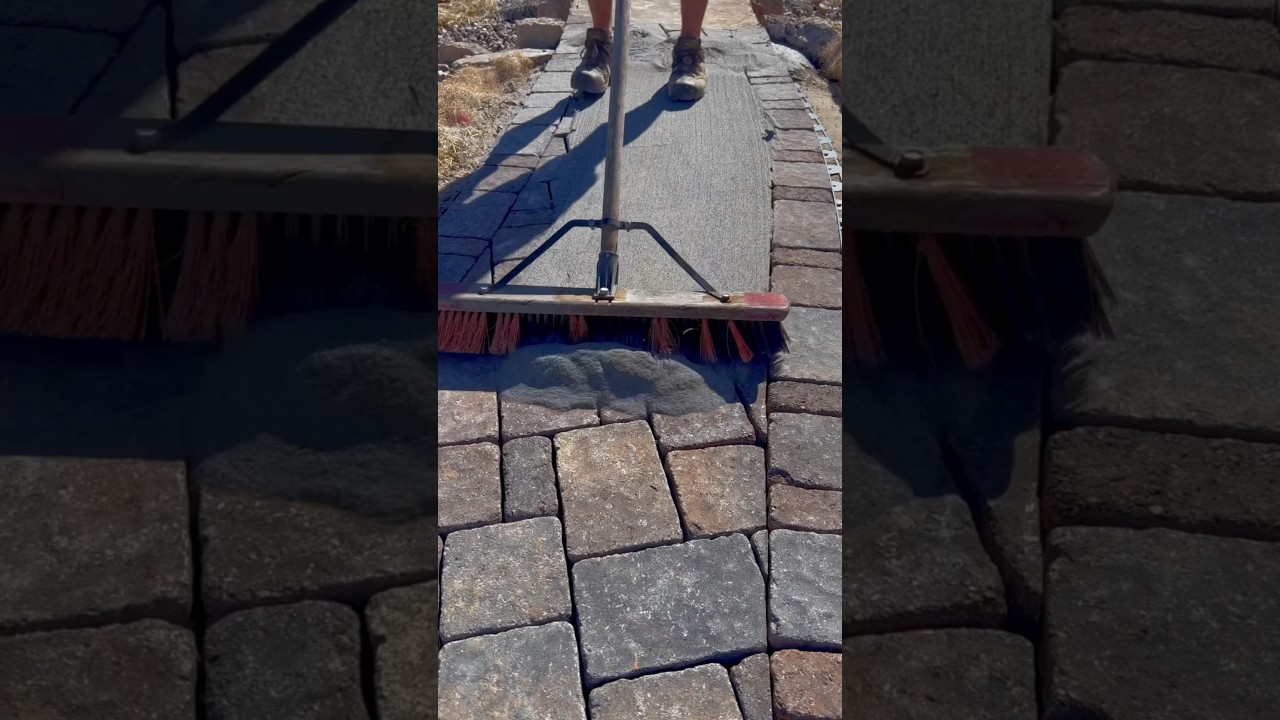
In landscape building terms, each material option affects both expense and performance. All-natural rock looks timeless yet is hefty and typically slower to mount. Concrete pavers are more foreseeable and generally cheaper for large areas. Lumber decks create warmth and a flexible strolling surface area, yet require recurring upkeep and can be unsafe in color. Compound outdoor decking trades several of that all-natural feel for reduced upkeep.
Pay mindful attention to limits at doors and transitions between various surfaces. Inadequately comprehensive actions, abrupt level changes, or journey threats where materials satisfy produce both security and upkeep frustrations. On a commercial project I serviced, a plain 15 mm lip in between tiled lobby and exterior paving accumulated water and particles and regularly stumbled distracted pedestrians. Repairing it after construction needed expensive rework of waterproofing and door frames.
Edges matter also. Solid, tidy edges in between yard and garden beds or in between crushed rock and planting give an area aesthetic order and make maintenance much easier. Steel, concrete, or stone edging can all function, depending on budget and visual, however they should be detailed to stand up to activity over time.
Craft a growing strategy that makes it through reality
At first glimpse, growing design looks like the fun component, and it is. Yet it is likewise where lots of otherwise competent landscape designs break down after a few summers.
The secret is to think in layers and life-spans, not just varieties names. Experienced garden landscaping draws on a couple of easy concepts:
Structure first. Select trees and large shrubs that will define the room in 10 to twenty years. These are the components that offer long-term color, personal privacy, and range. On a tiny property lot, that might be just 2 or 3 meticulously put trees, perhaps one cover tree and a couple of multi stemmed specimens. On a business streetscape, maybe a routine rhythm of street trees supplying both color and a sense of procession.
Masses and textures next. Usage medium bushes, grasses, and perennials to create blocks of appearance and colour. Withstand the temptation to spread among every little thing. Repetition soothes the eye and makes upkeep more predictable. If you recognize a specific yard prospers on your site with very little treatment, use it generously in a number of locations rather than screening ten new species.
Ground layer last. Groundcovers, reduced perennials, and seasonal light bulbs or annuals supply fine appearance and seasonal highlights. They are frequently the first to show stress if conditions are wrong, so location them where irrigation and upkeep can support them.
Climate, soil, and maintenance ability should direct varieties selection more than fashion. A drought tolerant Mediterranean palette that prospers in a full sun, sandy coastal website will pout under heavy clay in a wet inland valley. In a similar way, high upkeep clipped box hedges may festinate around a deluxe home, but around a circulation stockroom with quarterly upkeep brows through they will soon end up being shaggy or diseased.
For commercial landscaping and high exposure residential front gardens, take into consideration exactly how the growing will look from a car at 40 to 60 km/h in addition to from a pedestrian's viewpoint. Vibrant types and regular masses review much better at speed than refined mixes.
Finally, plant for development, not simply for the initial period. Crowding young hedges to achieve immediate volume brings about competition, condition, and a thicket that is difficult to keep within a couple of years. Leaving reasonable area in between plants, and accepting some first spaces, settles in much healthier, longer long lasting plantings.
Style, character, and suitable the architecture
Once the functional design and standard planting structure are clear, you can think about personality more straight. Good landscape design does not require to match the design strictly, however it must talk the same language.
A tidy lined modern-day home typically matches simple geometry, limited products, and strong planting masses. Overly picky information or a mix of ten different paving items will certainly fight against the structure. Because context, a meticulously detailed concrete course, a restricted combination of lawns and architectural bushes, and a solitary varieties tree allee can feel sophisticated.
Traditional or heritage structures can handle more complexity in planting and detailing, as long as symmetrical relationships are respected. Soft curves, layered growing, and materials like brick, natural rock, and timber frequently really feel much more at home there. Once again, restriction aids: repeating a particular brick pattern or a particular hedge species throughout the site links the make-up together.
For yard landscape design around modern condominiums or homes, room restraints press design and function to work more challenging. Vertical aspects such as climbers on wire trellises, multi stemmed trees, and raised planters include depth without taking in excessive flooring location. A simple colour scheme and a couple of essential attributes, like a water bowl or a sculptural tree, normally feel much better than attempting to cram in every idea.
In commercial setups, the landscape usually brings brand name cues. This can be literal, with colour and signs, or a lot more subtle, through the overall mood. A tech campus may aim for kicked back, park like areas with generous yards and informal seating, while a store hotel might favour intimate courtyards with lavish, exotic planting. The trick is to avoid gimmicks that fall short under daily usage. I have seen mirrored panels utilized as function walls that looked elegant on the first day, after that became a consistent cleaning migraine and a bird strike hazard.
Lighting plays a big function in character too. Thoughtful landscape lighting prolongs usability into the evening, highlights key attributes, and boosts security. Avoid the temptation to flooding whatever with bright, cool white light. Targeted cozy lighting along paths, at steps, and on picked trees or walls feels more comfortable and uses power a lot more efficiently.
Working with degrees, drain, and building realities
On paper, it is simple to slide rooms about without thinking about degrees. On site, gravity and water dictate where several points can in fact go.
Even a modest 300 mm degree change between a patio area and a lawn can require steps, a ramp, or regrading. Every adjustment in degree adds complexity to landscape construction, so reduce them where possible. When they are essential, incorporate them intentionally. One broad, generous step shift can feel sculptural and inviting. A series of random 120 mm and 180 mm risers without clear reasoning really feels awkward and potentially unsafe.
Drainage typically obtains insufficient attention throughout layout and after that consumes a portion of budget during building. Difficult surfaces must fall to a drain or to absorptive areas at a reasonable gradient. Planting beds require to prevent becoming water logged basins versus developing walls. In numerous environments, a simple rule of thumb is to maintain a mild fall of 1 to 2 percent far from structures and toward proper collection points, but local guidelines and soil problems constantly apply.
I when dealt with a yard improvement where earlier paving had actually been laid dead degree for visual factors. Over a couple of seasons, small building resistances and cement deterioration enabled water to pond in the centre. Winter season freezes raised floor tiles, and algae made the whole surface area unsafe. Correcting the concern included stripping and passing on the entire courtyard with correct falls to very discreet straight drains.
During preparation, involve a landscape service provider or civil engineer early if your website has considerable slopes, complicated structure junctions, or existing drain issues. Their input can conserve you from making functions that are practically impractical or overmuch expensive.
For both domestic landscaping and commercial landscaping, it aids to believe in building sequences. Access for equipment, momentary storage space for dirt and materials, and security of existing trees or structures all impact exactly how and in what order job can continue. On tight sites, it might be difficult to bring in big machinery after particular wall surfaces or decks are built, so deep dirt preparation or significant tree growing must happen earlier.
A practical step by step preparation process
Every developer functions a little in a different way, however a simple, dependable process can guide homeowners, facility managers, and even professionals with a task from idea to reality. Here a structured sequence is worth laying out plainly as a list:
- Document and evaluate the website, including dimensions, pictures, and the monitorings from your checklist Clarify practical demands, spending plans, and maintenance ability with all stakeholders Develop a principle strategy showing outdoor areas, flow, and crucial attributes while neglecting plant specifics Refine into a comprehensive layout with products, growing strategy, degrees, lighting, and building and construction information where required Stage building and construction realistically, beginning with grading and significant hardscape, then planting, then lighting and completing touches
At each phase, expect to loop back a little. Spending plans typically compel simplification, preparing approvals might call for modifications, or new understandings from the website may shift top priorities. That is regular. The important part is that adjustments respond to clear goals as opposed to to impulsive decisions.
For business tasks, include formal authorizations, tender paperwork, and service provider choice right into the series. Durable paperwork minimizes disputes later and assists ensure what obtains constructed matches what was designed.
Budgeting, phasing, and maintenance
No outside space is ever "completed." Plants expand, materials age, and utilizes change as families expand or businesses develop. Accepting that reality assists you make much better decisions concerning where to spend greatly and where to keep things flexible.
Budgeting ought to integrate clear cost price quotes for landscape construction with an honest assessment of continuous upkeep. An elaborate seasonal garden that requires once a week attention may be perfect for an enthusiast in a household context but dreadful for a workplace park gone to by a garden enthusiast once a month. Similarly, the least expensive feasible products in a high web traffic business plaza tend to end up being a consistent repair work item, setting you back much more in the lengthy run.
When funds are limited, prioritise unnoticeable foundations and core framework over ornamental additionals. Appropriate soil prep work, appropriate drainage, and well built preserving walls hardly ever attract compliments, however they avoid costly failings. Attributes like built in seating, pergolas, and outside kitchen areas can frequently be added in later stages if the underlying structure is sound.
Phasing can be practical both financially and virtually. Lots of homeowners deal with jobs in 2 or three stages over numerous years: initially the significant earthworks and essential hardscape, then main growing, after that better details. Just guarantee that each stage works on its own and does not leave awkward fifty percent finished hazards.
commercial landscape maintenanceMaintenance plans matter as much as layout illustrations. Also a straightforward one web page guide that notes trimming times, fertilising schedules, watering settings, and most likely replacement intervals for certain plant varieties can make a substantial distinction. For larger business landscape design, formal maintenance specs describing cutting elevations, action times for irrigation faults, and efficiency standards for cleanliness and safety and security create clear expectations with contractors.
Bringing everything together
Planning the excellent outdoor room is much less concerning going after a particular style and more concerning stacking practical choices in the ideal order. Understand the website before you impose ideas on it. Clear up exactly how the space requires to function. Organise clear outdoor rooms and blood circulation. Equilibrium hardscape with sensible, split growing. Regard construction facts of degrees and drain. Then information the personality so it sustains the design and individuals that use it.
Whether you are managing garden landscape design around a small townhouse, coordinating residential landscaping for a brand-new household home, or handling landscape design for a business residential property, the basics remain remarkably constant. When those basics are dealt with well, creative thinking has a steady platform. When they are overlooked, also the most photogenic style has a tendency to unravel under weather, wear, and time.