A driveway does more than park cars. It frames the house, guides how people approach the front entry, and ties together the architecture with the landscaping. When it starts to crack, settle, or just look tired, it drags everything else down with it, no matter how nice the garden design or front yard planting might be.
Replacing a driveway is one of those projects you want to do once, do well, and then largely forget about. That means choosing the right material, planning for proper landscape construction and drainage, and making sure it fits the overall outdoor living design, not just the path from street to garage.
This is where the three workhorse options come in: traditional concrete, paver driveways, and decorative concrete overlays. All three can be excellent when matched to the property, the soil, the climate, and the budget. Each one, however, comes with distinct advantages, limitations, and maintenance needs.
Start with the site, not the surface
Before you start comparing materials, it pays to look hard at the existing conditions. After twenty-plus years in hardscape installation and landscape renovation, I can say that most driveway failures trace back less to the visible surface and more to what you cannot see.
So walk the site, or have a landscape contractor or hardscaping contractor do it with you. Look at how water moves across the property during a storm. Notice low landscaping guides spots, soggy turf, or mulch that washes out of flower bed installation areas. If there is a retaining wall, examine whether it is leaning or cracking. A driveway is part of a broader system that includes yard drainage, land grading, and sometimes french drain installation, and it needs to work with all of that.
Existing trees matter as well. Big roots from older tree planting can push up concrete or pavers. You need a plan for root pruning, selective removal, or root barriers, ideally with input from an arborist or an experienced landscape designer who understands both plants and hardscapes.
This initial assessment shapes more than just the driveway thickness or base depth. It influences whether permeable paver installation might help with erosion control, whether you need a concrete retaining wall tied into the driveway edge, or whether you should combine the project with irrigation installation to avoid cutting into the new surface later.
Option 1: Traditional poured concrete driveways
Concrete remains the default for driveway installation in many neighborhoods, both residential landscaping and commercial landscaping. When properly designed and installed, it is durable, relatively cost effective, and flexible in appearance.
Structure and performance
A good concrete driveway starts with the subgrade and base. Weak, poorly compacted soil almost guarantees cracks regardless of the mix. In our firm, we typically remove 4 to 8 inches of material, depending on soil conditions, then install and compact a road base or crushed stone layer. For heavier vehicles or long driveways, that base can go to 10 inches or more.
The slab itself is usually 4 to 6 inches thick for residential use, with 6 inches where heavy trucks are common or slopes are steep. Steel reinforcement (rebar or welded wire mesh) helps control cracking and keeps the driveway solid if minor settlement occurs. Expansion joints at the garage and control joints at regular intervals create planned weak spots so that natural cracking follows a straight line instead of wandering across the surface.

In frost regions, air entrainment in the concrete mix and correct slope for drainage are not optional. Without them, thaw and refreeze cycles lead to scaling, surface pitting, and early replacement.
Appearance and decorative concrete options
Plain gray concrete can be perfectly appropriate for some properties, especially where budget is tight or the driveway is long. That said, decorative concrete can bring the driveway into the overall landscape design visually.
Colored concrete, either integrally mixed or with surface hardeners, can soften the stark gray appearance and coordinate with stone veneer, brick pavers, or the home’s siding. Stamped concrete can mimic flagstone, brick, or even wood planks, though it is honest to say that it rarely fools anyone up close. What it does well is provide texture, scale, and a richer pattern, which helps tie the driveway to a concrete patio, backyard renovation, or outdoor entertainment area.
For clients who already have an older but structurally sound slab, concrete resurfacing with a decorative overlay can refresh without full replacement. That falls into its own category, which we will look at later, because the conditions and techniques are different.
Maintenance and life span
A properly installed concrete driveway, with good base preparation and joint layout, should last 25 to 40 years in many climates. In harsher freeze thaw or heavily salted regions, that number tends to be closer to 20 to 30.
Maintenance is relatively modest: periodic cleaning, joint sealing for adjacent landscape edging or hardscape connections, and protecting the surface from aggressive de-icers. Many clients choose to seal decorative concrete every 3 to 5 years to maintain color and gloss, especially where outdoor lighting highlights the entry.
Repairs tend to be more visible. Full depth cracks or heaving often require partial replacement rather than quick patching, and it is almost impossible to match the color of older concrete exactly. That is one tradeoff compared with paver repair, where individual units can be swapped out far more cleanly.
Option 2: Paver driveways
Paver driveway installation has grown rapidly, particularly for custom landscaping and luxury landscaping where appearance matters as much as function. Done well, a paver driveway is strong, repairable, and visually rich. Done poorly, it will rut, settle, and drive you crazy.
Structure and installation details
Despite the different surface, paver driveways share a lot with concrete in terms of base preparation. You still need proper excavation, geotextile where soils are weak, and a compacted base of angular aggregate. Thickness again ranges from 6 to 10 inches for most homes, more for heavier use.
Over the base goes a bedding layer of concrete sand, typically 1 inch thick, then the pavers themselves. Interlocking pavers achieve their strength partly from the base and partly from the way they lock together under load. Edge restraint is critical. Skimp on the concrete or plastic edging and the driveway will slowly creep outward, leaving ruts in the wheel paths.
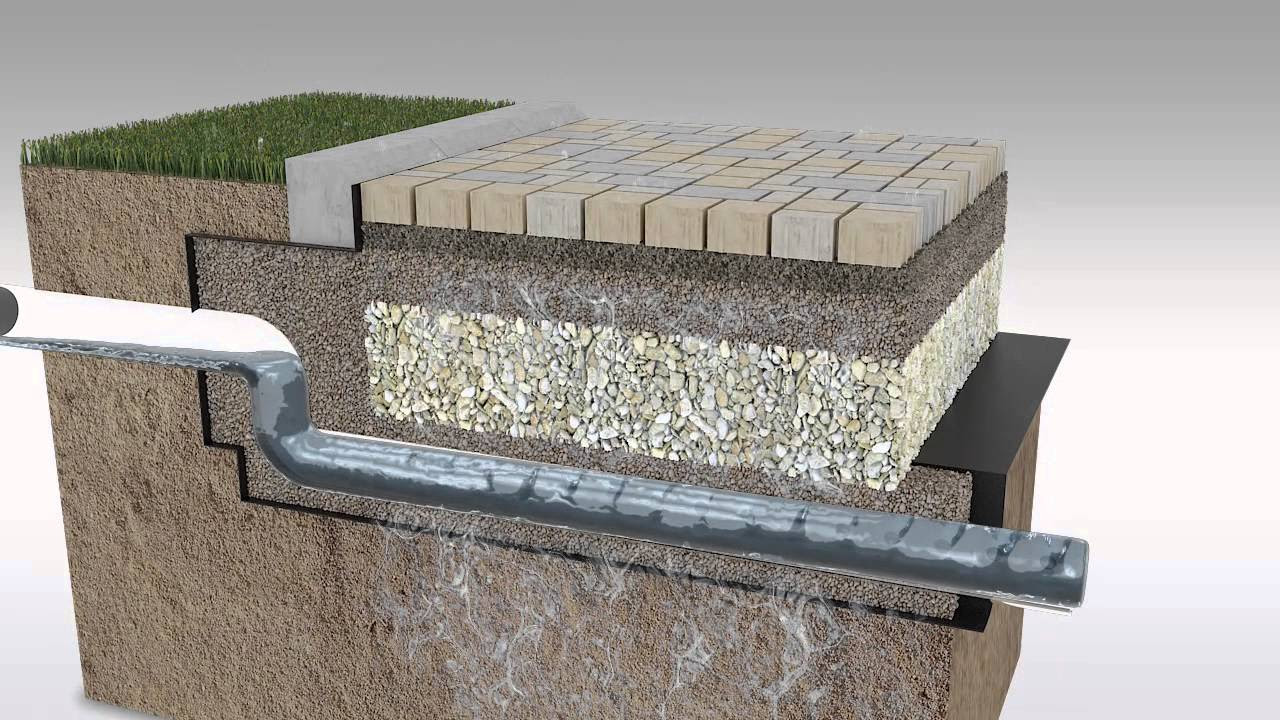
Permeable interlocking concrete pavers and some natural stone pavers can also be installed with open joints and a different base design to handle stormwater. In that system, water filters down into an aggregate reservoir and either infiltrates into the soil or exits through a controlled drain. In municipalities that encourage eco friendly landscaping and sustainable landscaping, this can sometimes earn stormwater credits.

Material choices: concrete, brick, and natural stone
Concrete pavers are the workhorses. They provide high strength, consistent dimensions, and a wide range of colors. Brick pavers add a traditional feel and work beautifully with older homes or more formal garden landscaping. Natural stone pavers like granite or dense sandstone raise the budget but deliver a premium look that matches stone retaining wall construction or a flagstone patio.
The key, regardless of type, is thickness and rating. Not every paver sold at a home center is suitable for vehicle loads. For driveway replacement, you want units specifically rated for that use, usually around 2 3/8 to 3 1/8 inches thick, depending on the manufacturer and system.
Maintenance, repairs, and long term performance
Paver driveways shine when it comes to repair. If you need to access irrigation installation lines, sprinkler installation, or a drip irrigation manifold under the drive, you can pull up the pavers, fix the issue, and relay them without leaving a patch. For clients who frequently rework their outdoor kitchen installation, built in bbq lines, or yard drainage, this flexibility is valuable.
Surface maintenance focuses on joint sand, weed control, and occasional paver sealing. Polymeric sand in the joints reduces weed growth and ant activity, but it does not make maintenance zero. Over the years, you will often refresh joint sand as part of routine landscape maintenance or garden maintenance work.
Properly installed, a paver driveway can perform for 30 to 40 years or more. Individual pavers may crack, but they are simple to replace. Where we see failure is usually in areas where base preparation was rushed: insufficient excavation, no compaction, or poor drainage.
Option 3: Decorative concrete overlays and resurfacing
Decorative overlays sit in a different category because they use an existing slab as their base. They can be a smart option when the structure underneath is sound, but the surface is worn, stained, or cosmetically dated.
When overlays make sense
Overlays and concrete resurfacing are worth considering when the existing driveway:
- Has hairline or shrinkage cracks but no major displacement Drains correctly away from the house and structures Shows no pumping of water and fines from joints when driven over Has at least several inches of solid slab without widespread spalling Fits current grading and elevation relative to garage, walkways, and adjacent landscaping
If heaving, severe cracking, or poor slope are present, an overlay is usually a bandage on a structural problem. In those cases, full removal and driveway replacement are the more honest options, even if the upfront cost is higher.
Types of overlays
There are several ways to dress up a sound slab. Thin polymer modified overlays can be troweled or sprayed on, then textured and colored to mimic stone, tile, or simple modern finishes. Stained concrete, with either acid or newer water based stains, can add rich color variation and depth, especially when combined with saw cut patterns.
Stamped overlays bring a similar look to stamped concrete but with less thickness. They can integrate with a front concrete walkway, porch, or concrete patio for a unified look, making them popular in comprehensive landscape renovation projects where everything from garden paths to outdoor living spaces gets updated at once.
The big advantage of overlays is cost and disruption. Instead of hauling away many tons of old concrete and rebuilding the base, you work with what is already there, which typically makes the project faster and less expensive. For some commercial properties that cannot be out of service long, this matters a great deal.
Limitations and care
The life span of a decorative overlay is tied heavily to both installation quality and the condition of the original concrete. Done well, and maintained with periodic sealing, many systems can look good for 10 to 20 years. However, if the substrate moves, cracks often telegraph through, even when installers use crack bridging techniques.
Overlays also bring higher expectations for appearance. Clients who choose them usually care a lot about aesthetics and notice small chips or wear patterns more than those with plain gray concrete. Outdoor lighting and landscape lighting can accent both the beauty and any flaws, so surface preparation and detailing matter.
How to compare concrete, pavers, and overlays
Every property is different, but there are recurring questions that help narrow the choices. Think about how the driveway will truly be used, not just how it will look on day one.
Here is a simple way to frame the comparison:
- If you want the lowest upfront cost with solid performance and you are comfortable with a more monolithic look, poured concrete is hard to beat. If you value long term flexibility, easy repairs, and strong visual impact that ties into hardscaping and outdoor living spaces, paver driveway installation is usually worth the higher initial investment. If your existing driveway is structurally sound but tired looking, and site grading is good, decorative concrete resurfacing or overlays can give you a major visual upgrade without full reconstruction. In neighborhoods where curb appeal drives value and you already have custom patios, stone walkways, or an outdoor entertainment area, pavers or high quality decorative concrete often provide a better return. For sustainable landscaping goals, especially managing stormwater onsite, permeable interlocking pavers over an engineered base can outperform both standard concrete and most overlays.
Beyond these points, think about how the driveway interacts with the surrounding landscaping company work: lawn installation or sod installation, shrub planting and tree planting, and any future backyard patio or retaining wall construction you may be considering. A driveway that ignores future plans can box you in later.
Blending the driveway into the landscape design
The best driveways feel like part of a complete landscape design build project, even if they are installed independently. This is where a landscape architect or experienced landscape designer adds value.
Consider the relationships between the driveway and adjacent elements. A curved paver driveway paired with a stone walkway and low voltage lighting can soften a large front yard and create a gracious entry sequence. Decorative mulch, landscape edging, and planting services along the drive help break up hard surfaces and guide the eye toward the front door.
For properties that lean toward native landscaping, xeriscaping, or drought tolerant landscaping, choose materials and colors that echo natural stone and local soils. A rustic concrete paver blend, combined with flagstone installation for stepping paths and boulder accents, reads differently than a formal concrete driveway edged with clipped boxwood and straight brick walkway lines. Both can be right; the key is consistency.
Lighting deserves more attention than it usually gets. Thoughtful garden lighting and path fixtures can make a simple driveway look far more sophisticated at night, highlight planting beds, and provide safer navigation. Many clients now choose low voltage lighting systems that can be expanded over time as outdoor living spaces grow.
Finally, remember stormwater and irrigation. A new driveway changes how water moves. Pairing the project with french drain installation, drip irrigation in planting beds, and strategic land grading can protect both the hardscape and the lawn care work that surrounds it.
Maintenance expectations and reality
No driveway is maintenance free. The choice is not between work and no work, but between different kinds of work.
With poured concrete, most of the attention goes to crack monitoring, joint sealing at the interface with building foundations, and reducing aggressive chemical exposure. Occasional power washing keeps stains in check, and sealing decorative surfaces protects color. Weed control usually focuses on edges and adjacent mulch installation, not the slab itself.
Paver driveways trade crack worries for joint care. Joint sand should be inspected annually, especially after yard cleanup or heavy rains. If vegetation does appear, addressing it early keeps the surface looking crisp. Paver sealing is not mandatory, but many homeowners prefer it for color enhancement and stain resistance, particularly under tires and near a built in bbq or outdoor kitchen installation where grease and food spills are possible.
Overlays demand attention to sealer condition and any early signs of delamination or telegraphed cracking. Many decorative overlay systems rely heavily on a good sealer, so when that wears thin, the surface is more vulnerable to staining and wear. Regular inspection is part of responsible property maintenance.
When I walk clients through these realities, I encourage commercial landscaping contractor them to match material choice to their own habits. Someone who already invests in garden maintenance, landscape maintenance, and seasonal lawn fertilization will likely stay ahead of paver joint care without trouble. A client who prefers minimal upkeep on everything might lean toward simpler concrete with understated decorative touches.
Budgeting honestly, planning smart
Costs vary widely by region, access, and design. As a rough pattern from projects we have built:
Concrete, in standard finishes, usually lands as the lowest initial cost per square foot. Decorative concrete with complex stamping and coloring can overlap with lower tier paver pricing. High end natural stone pavers, structural retaining walls integrated with the drive, and extensive grading push the top end significantly higher.
The most financially painful projects I see are not the expensive ones, but the ones where a cheaper installation had to be removed and redone within a decade. Skimping on base prep, drainage, or professional layout often looks like savings the first year and regret later.
It helps to approach the project in a clear sequence:
- Define how you use the space: number of vehicles, turning movements, guest parking, children’s play, snow storage, and service access. Evaluate the site: soil conditions, slopes, existing landscaping, yard drainage, and any retaining wall installation needs. Set a realistic budget range, including a contingency for unforeseen issues like buried debris or unsuitable subsoil. Choose the material that best fits long term performance, aesthetics, and maintenance comfort, not just lowest bid. Select a qualified hardscape contractor or landscape contractor with proven experience in the specific driveway type you choose, and review details like base depth, reinforcement, and joint layout before work starts.
Notice that material choice comes after use and site evaluation. That order tends to yield better, longer lasting results.
Choosing the right contractor
Even the best material fails under poor installation. When you interview a patio contractor, paver contractor, or outdoor living contractor for a driveway replacement, ask specific, grounded questions. How many inches of base do they typically install for driveways in your soil type. What compaction equipment do they use. For concrete, do they use rebar, wire mesh, or fiber reinforcement, and how are joints placed and cut. For pavers, what is their process for edge restraint and joint sand stabilization.
Ask to see recent projects, ideally that have gone through at least a couple of winters or rainy seasons. Drive around and look not just at the first impression but at the details: straight lines along garage doors, tight transitions to walkways, clean drainage away from the house, and how the driveway meets existing garden paths or hardscape design elements.
It can also help to work with a company that understands both hardscaping and landscaping. Coordinating paver walkway installation, stone masonry, plantings, and landscape lighting with the driveway in a single landscape design build contract simplifies communication and reduces the odds that one trade will unintentionally damage another’s work.
Pulling it all together
When you stand at the curb and look at your property, the driveway may not be the first thing you notice, but it is always there, framing the view. Choosing between concrete, pavers, and decorative overlays is less about picking a product and more about deciding how you want the entire front landscape to function and feel.
A well planned concrete driveway can be the quiet backbone that supports vibrant planting, thoughtful garden installation, and a welcoming front entry. A paver driveway can become a central design feature, tied into custom patios, retaining walls, and outdoor entertainment areas for a cohesive, high end look. Decorative overlays can unlock new life from an existing slab, letting you redirect budget toward landscape lighting, planting services, or a new stone walkway.
The right decision comes from matching material, site, budget, and maintenance expectations. When those line up, the driveway stops being a problem to fix and becomes part of a long lasting, attractive landscape that works every day, from the first car out in the morning to the quiet moment when the garden lighting clicks on at night.